The “Dry” Technique: No Soaking Required
say goodbye to the warm bowl of water! The Russian manicure is a completely dry...



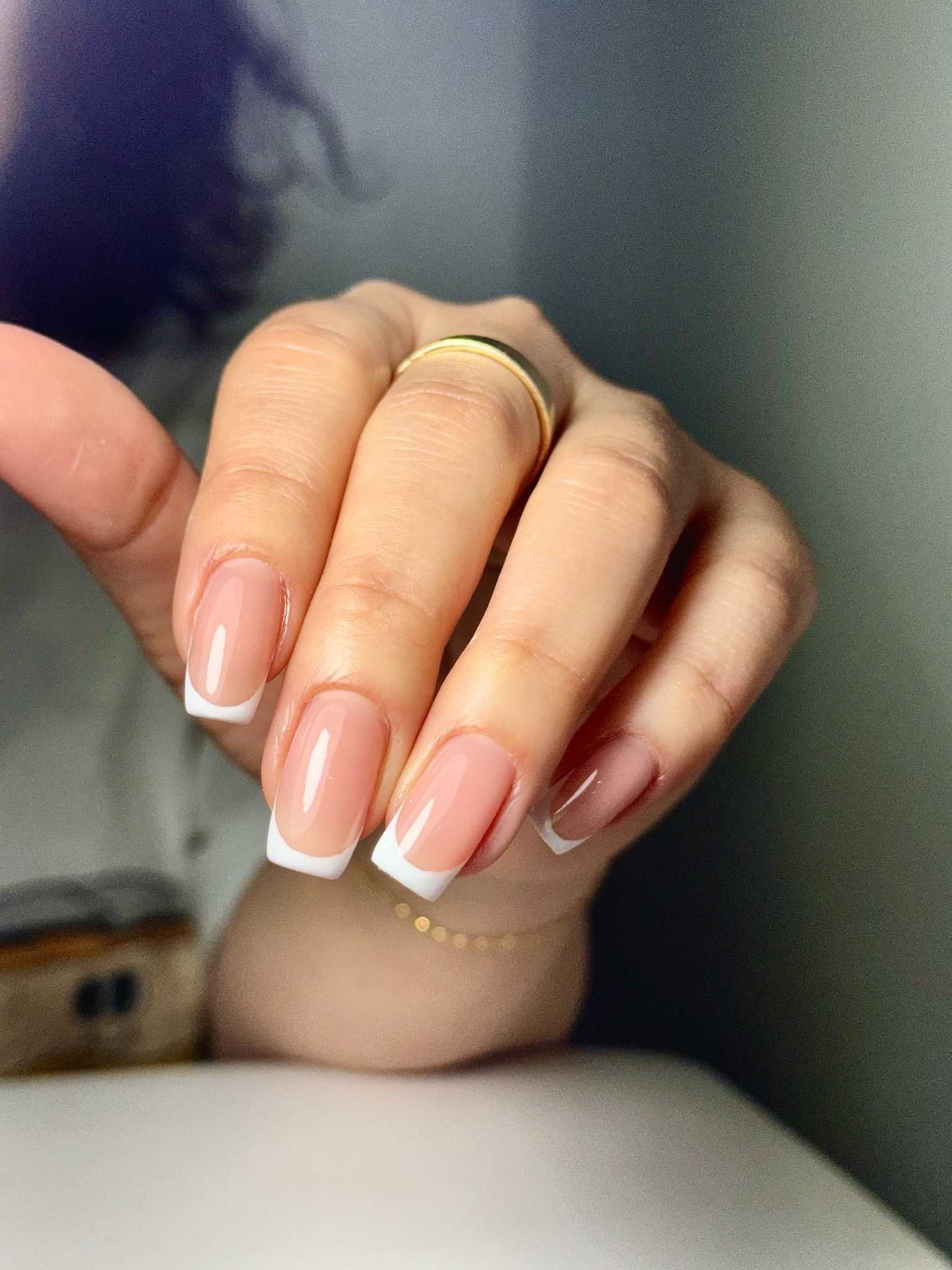
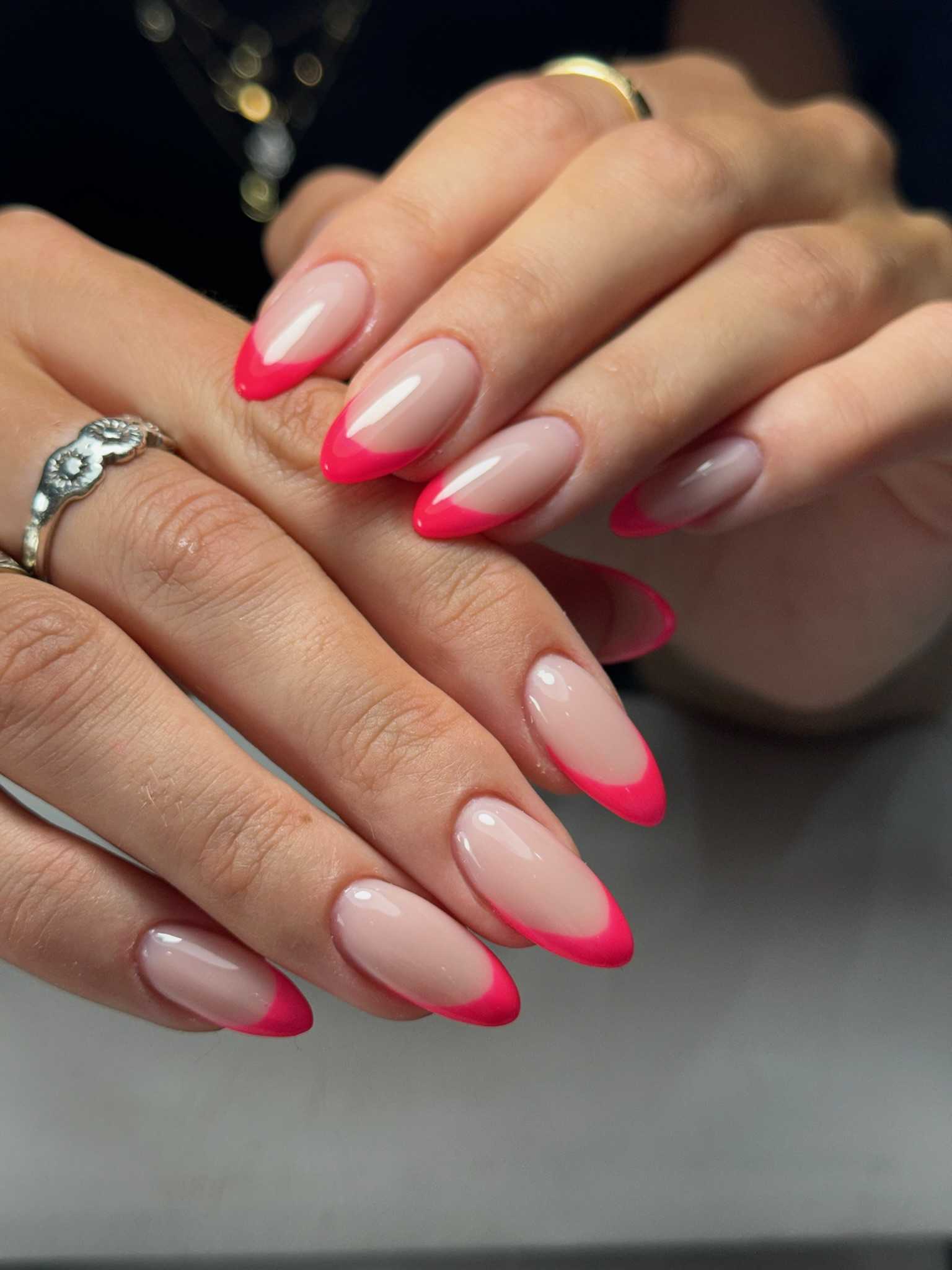
If you have ever switched from a regular gel manicure to Russian manicure and noticed your nails still looking perfect two, even three weeks later, you are not imagining it. There is a real reason this technique holds up so much longer, and it comes down to the way the nail is prepared before a single drop of gel touches it.
Most nail treatments start with softening the cuticle in warm water, then pushing it back. That is a perfectly fine approach, but it leaves behind thin, dry skin on the nail plate itself. That leftover skin creates a tiny gap between the gel and the nail, and that gap is where lifting starts.
Russian manicure skips the water soak entirely. Instead, an e-file is used dry, along with precision hand tools, to carefully remove the cuticle and clean the nail plate without any moisture involved. No water means no swelling of the nail plate, and no swelling means the gel bonds to a completely flat, dry, clean surface.
The key difference: A wet prep manicure works on the surface. Russian manicure works at the nail’s edge, removing everything that would otherwise stand between the gel and the nail.
technique
Before gel is applied, the nail plate needs to be free of oils, dead skin, and moisture. In a Russian manicure, the e-file gently buffs the very surface of the nail to remove that fine layer of natural oils. The cuticle is lifted and removed with precision bits rather than pushed back with a stick. The result is a nail plate that is as ready as it can possibly be to accept gel.
When gel meets a perfectly prepped nail, adhesion is strong from the very beginning. There are no weak points at the edge of the cuticle where the product might catch, peel, or lift.
One of the most common reasons gel manicures start to look grown out quickly is because gel was applied too close to the edge of the cuticle skin, or not close enough to the cuticle line itself. Russian technique allows the nail tech to work precisely right up to the nail fold, applying gel almost flush with where the skin meets the nail. This creates a seamless look that stays cleaner and tighter for longer.
Because the entire process is done dry, the nail plate never expands with moisture. When a nail is soaked in water, it swells slightly. Once it dries and contracts, anything sitting on top of it can shift or loosen. Russian manicure avoids that problem completely.
comparison
aftercare
The technique does most of the heavy lifting, but how you treat your nails at home makes a real difference too. Even the most precise prep will not hold up well if your hands are constantly in harsh conditions.
Keep a small bottle of cuticle oil in your bag. Applying it once or twice during the day takes seconds and does a lot to extend both the comfort and the look of your manicure.
who it is for
Russian manicure is a great option for most people, but it is worth understanding what it involves before you book. The e-file requires a skilled, experienced technician. In the hands of someone properly trained, it is safe and gentle. With someone who is still learning, it can cause thinning of the nail plate or irritation to the surrounding skin.
If you have very sensitive skin, thin nails, or any kind of nail condition, it is worth having a conversation with your nail tech before the appointment. A good technician will always adapt the approach to what your nails actually need.
People who tend to love Russian manicure the most:
the bottom line
The 4-week wear time that Russian manicure is known for is not magic. It comes from one simple idea: gel lasts longer when it has a better surface to hold onto. By removing the cuticle cleanly, working dry, and applying gel as close to the nail fold as possible, Russian technique gives the product every advantage from the start.
If your regular manicures have always felt short-lived, the prep is almost certainly where the problem starts. Russian manicure addresses exactly that. It is more detailed, it takes a little longer, and it requires a technician with real skill. But for many people, it is the first time they have had a manicure that genuinely holds up to their everyday life.
Good nails are not just about the colour you choose. They start with what happens before the gel ever touches your hand.
say goodbye to the warm bowl of water! The Russian manicure is a completely dry...
There’s a lot of debate about the safety of cutting the cuticle. The truth? A...
You’ve seen it all over TikTok and Instagram, but what makes the Russian manicure so...